Gastroesophageal Reflux Disease
Achalasia
Gastroparesis
Eosinophilic Esophagitis
Background
| Arnon
Lambroza, M.D.
|
||
| 950 Park Avenue New York, New York 10028 Tel: (212) 517-7570 Fax: (212) 517-7789
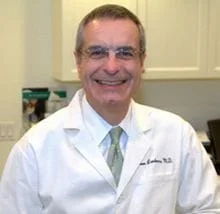
Gastroenterology Dr. Arnon Lambroza is a gastroenterologist who specializes in esophageal and swallowing disorders, including gastroesophageal reflux disease, Barrett's esophagus, achalasia and diffuse esophageal spasm. He is also an expert in the diagnosis and treatment of gastrointestinal motility disorders such as gastroparesis (delayed gastric emptying), irritable bowel syndrome and constipation. Dr. Lambroza performs upper endoscopies and colonoscopies, as well as highly specialized gastrointestinal function tests such as esophageal manometry, 48-hour wireless pH studies (Bravo pH probe) and esophageal impedance-pH testing. He is one of the few physicians in the country experienced in managing patients with gastroparesis who have received a gastric electrical stimulator (“gastric pacemaker”). |
![]() |
|
|
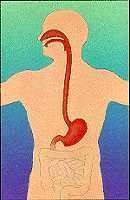
Gastroesophageal reflux disease (GERD) is a common disorder which is
characterized by the excessive backflow of stomach contents into the
esophagus. Patients with GERD can experience a variety of symptoms including
heartburn, regurgitation, acid indigestion and a bitter or sour taste in the
mouth. They may also experience less typical symptoms such as a chronic sore
throat, chronic cough, hoarseness, asthma and chest pain.
One of the long-term complications of GERD is a condition known as Barrett's esophagus. This disorder is characterized by the replacement of normal esophageal lining cells with intestinal cells. Because these intestinal cells may sometimes develop into cancer, patients with Barrett's esophagus should undergo periodic surveillance examinations of the esophagus. Dr. Lambroza is currently participating in a clinical study examining the effects of Polyphenon E (a green tea extract) in patients with Barrett's esophagus. There have been dramatic advances in the medical and surgical treatment of GERD in the last fifteen years. The proton-pump inhibitors (Prilosec, Nexium, Prevacid, Aciphex and Protonix) are potent acid-suppressing drugs which have helped many patients who were previously refractory to medical therapy. Patients with GERD who are responding poorly to medication, or who wish to avoid taking drugs, may be candidates for a surgical fundoplication. In this procedure, a portion of the stomach is wrapped around the esophagus in order to tighten the lower esophageal sphincter (the muscle responsible for preventing reflux). This procedure can now be performed through a laparoscopic, minimally-invasive approach which dramatically reduces the discomfort and recuperative time of the operation. Most patients considering surgery should undergo esophageal motility and ambulatory pH studies to determine whether the surgery is indicated and, if so, what type of operation should be performed. Three new endoscopic techniques have been approved for patients with GERD who do not want to take medications or have surgery. These techniques are performed by a gastroenterologist in the outpatient setting and are known as endoscopic suturing (EndoCinch procedure), radiofrequency wave ablation of the lower esophageal sphincter (Stretta procedure) and endoscopic plication (NDO plicator). The proper role of these procedures in the long-term management of GERD continues to be evaluated. |
||
| Achalasia | ||
|
Achalasia is an esophageal motility disorder that is characterized by the
severe retention of food in the esophagus. In patients with achalasia, the
esophagus loses its ability to contract in a sequential manner and the lower
esophageal sphincter fails to open completely, thereby preventing the normal
flow of food into the stomach. Patients with achalasia feel that food gets
stuck in their throat or chest and they may experience severe regurgitation
and weight loss.
Achalasia results from the loss of nerve cells within the muscular wall of the esophagus. The reason for this nerve cell loss in unknown. Achalasia is treated by decreasing the lower esophageal sphincter pressure with oral medications, balloon dilation, injection of botulinum toxin (Botox) or surgery. Dr. Lambroza has counseled many patients on the appropriate treatment of their achalasia and has performed a large number of balloon dilations and Botox injections. |
||
| Eosinophilic Esophagitis | ||
|
Eosinophilic
esophagitis (EE) is a chronic inflammatory disorder that is characterized by
a dense infiltration of eosinophils in the wall of the esophagus.
Eosinophils are white blood cells that are involved in certain allergic
conditions. Patients with EE typically complain of solid food getting stuck
in their throat or chest upon swallowing. Since these patients may also
experience heartburn, nausea and chest pain, they are often misdiagnosed as
having GERD (although the two conditions may coexist). Patients with EE
experience trouble swallowing due to the esophageal strictures and rings
that develop as a result of the eosinophilic infiltration. The esophageal
findings of EE, which include linear furrows, multiple rings and fine white
exudates, are often subtle and unrecognized at the time of endoscopy. The
diagnosis of EE is made by obtaining biopsies from several locations in the
esophagus and finding more than 15-20 eosinophils per high power field under
the microscope. The cause of EE is thought to be an allergy to a swallowed
or inhaled allergen. Therapy for eosinophilic esophagitis includes a food
elimination diet, swallowed steroids (fluticasone) and/or esophageal
dilation. Read Article: Eosinophilic Esophagitis by Arnon Lambroza, M.D. |
||
| Gastroparesis | ||
|
Gastroparesis is a gastric motility disorder that is characterized by
delayed stomach emptying in the absence of a mechanical obstruction. The
characteristic symptoms of gastroparesis include nausea, vomiting, bloating
and early satiety. Abdominal pain may be a prominent symptom in some
patients. The diagnosis of gastroparesis requires ruling out other causes of
nausea and vomiting, such as peptic ulcer disease, gastrointestinal
infection, pancreatic disease, hormonal disorders and medication side
effects. The most common cause of gastroparesis is diabetes. Some patients
develop gastroparesis following an episode of viral gastroenteritis.
A gastric emptying study is usually performed to objectively document a delay in gastric emptying. This test involves ingesting a radiolabled meal of scrambled eggs, bread and jam and then laying under a camera which measures the length of time required for the meal to pass from the stomach into the small intestine. The treatment of gastroparesis begins with dietary management. Patients should eat smaller, more frequent meals and should avoid fatty foods, fibrous foods, red meat and fresh vegetables. Meals that are rich in protein and starches are preferred because they are more easily mixed and emptied by the stomach. Many patients require medical therapy with anti-nausea and/or pro-motility drugs. Botox injections into the pyloric sphincter of the stomach may sometimes also alleviate the symptoms of gastroparesis. The vast majority of patients with gastroparesis can be successfully managed with dietary and medical therapy. Patients with refractory nausea and vomiting who require periodic hospitalizations and/or dietary support via intravenous nutrition or direct small intestinal feeding, may be candidates for a novel therapy known as gastric electrical stimulation. This involves a device, known as Enterra (Medtronics, Inc.), which consists of a neurostimulator that is implanted in the abdominal wall, along with two wires that lead from the stimulator to the stomach. The Enterra device provides a direct electrical stimulation to the stomach and can dramatically improve symptoms of nausea and vomiting in some patients. Read Article: Gastroparesis by Arnon Lambroza, M.D. |
||
| Background | ||
|
Dr. Arnon Lambroza is a board-certified
gastroenterologist and an attending physician at the New York-Presbyterian
Hospital/Weill-Cornell Medical Center. He is a graduate of the Albert
Einstein College of Medicine, where he was elected to Alpha Omega Alpha (AOA),
the national medical honor society. Dr. Lambroza performed his internship
and residency in Internal Medicine at the Hospital of the University of
Pennsylvania, followed by a fellowship in Gastroenterology at the New York
Hospital-Cornell Medical Center.
Upon completing his fellowship, Dr. Lambroza joined the staff of the New York Hospital-Cornell Medical Center, where he was the founder and director of The Center for Esophageal and Swallowing Disorders, a unique multi-disciplinary program dedicated to treating patients with gastroesophageal reflux disease, esophageal motility disorders and difficulty swallowing. For the past 16 years he has led a monthly conference that presents cases of complex esophageal and swallowing disorders to a panel of experts in radiology, general and thoracic surgery, otolaryngology, speech pathology and rehabilitation therapy. Dr. Lambroza lectures widely on esophageal and gastrointestinal motility disorders and is the past-president of the New York Society for Gastrointestinal Endoscopy. For more information on esophageal and gastrointestinal motility disorders please contact our office.
|
||
Arnon Lambroza M.D. |
||
|
||
|
Web Hosting by
Webtoast Internet Services, Inc.